14711 15th Ave NE Seattle, WA 98155 |
206-364-3131 |
Monday-Friday 8am-5pm
North Seattle Transmission Special Offers

North Seattle Transmission Blog

Understanding common transmission issues can help you recognize warning signs and determine when to seek professional service. At North Seattle Transmission, we’re happy to answer your questions about transmission repair in the greater Seattle area. Here’s a look at some of the common questions. What Are the Common Symptoms of Transmission Problems? Transmission trouble can produce several noticeable symptoms. There could be delayed shifting, rough gear changes, slipping gears, or hesitation when accelerating. Unusual noises, fluid leaks, and warning lights can also indicate a problem. Some vehicles may struggle to engage drive or reverse. If you notice these symptoms, schedule a professional inspection promptly to identify the cause and prevent further damage. What Causes Transmission Failure? Transmission failure can result from several factors, including worn internal components, overheating, fluid contamination, and inadequate maintenance. Leaking transmission fluid can also allow fluid levels to drop below the recommended range, increasing friction and heat. Frequent stop-and-go driving, heavy towing, and aggressive acceleration may contribute to additional wear. Regular maintenance and timely repairs can help reduce the risk of serious transmission problems. Can Transmission Problems Typically Be Repaired without Rebuilding or Replacement? Many transmission problems can be repaired without replacing the entire unit. Depending on the cause, a technician may address fluid leaks, replace damaged components, repair electronic controls, or correct other mechanical issues. More extensive internal damage may require a transmission rebuild or replacement. A thorough diagnostic evaluation helps determine the source of the problem and identify the most appropriate repair for your vehicle. Why Should Transmission Problems Be Addressed Promptly? Ignoring transmission trouble can allow a relatively minor issue to develop into extensive internal damage. Low fluid levels, overheating, and slipping gears can place additional stress on transmission components. Continued driving may also leave you stranded if the transmission fails. Having your vehicle inspected as soon as symptoms appear can help identify problems before they escalate. Where Can I Get Transmission Repair in North Seattle? For expert transmission repair in Shoreline, WA and the surrounding area, contact North Seattle Transmission at (206) 364-3131. Feel free to give us a call to schedule an appointment!

Transmission fluid is essential for keeping the transmission properly lubricated, cooled, and operating smoothly. Over time, the fluid can become contaminated by dirt, debris, moisture, or particles from component wear. Contaminated fluid may reduce the transmission’s ability to function properly and can contribute to accelerated wear if the problem is ignored. Knowing the warning signs can help you recognize a potential problem and have the transmission professionally inspected. At North Seattle Transmission, we can expertly handle your vehicle’s transmission fluid issues. Here are four signs to watch out for. Dark or Discolored Fluid Healthy transmission fluid is typically relatively clean and has a color specified by the vehicle manufacturer. Commonly, it has a reddish hue. Fluid that has become unusually dark or discolored may indicate contamination or excessive heat exposure. While color alone cannot confirm a problem, noticeably degraded fluid is a good reason to have the transmission fluid and system inspected by a technician. Unusual Transmission Shifting Contaminated fluid may affect the transmission's ability to shift smoothly. You might notice hesitation when the vehicle changes gears, delayed engagement, slipping, or unusually harsh shifts. These symptoms can have other possible causes, but transmission fluid condition should be evaluated as part of the diagnostic process. Strange Noises During Operation A properly functioning transmission should operate relatively quietly. Whining, humming, clunking, or other unusual sounds may indicate a transmission problem. Contaminated fluid can contribute to inadequate lubrication and increased friction between internal components. If unusual noises develop, professional diagnosis can help determine whether the fluid or another transmission component is responsible. Burning Smell From the Transmission A noticeable burning odor can be a warning sign that transmission fluid has overheated or deteriorated. Excessive heat can break down the fluid and reduce its ability to properly protect internal components. A burning smell should not be ignored, particularly if it occurs along with shifting problems or other changes in transmission performance. Transmission Service in North Seattle For expert transmission service in Shoreline, WA and the surrounding area, contact North Seattle Transmission at (206) 364-3131. Feel free to give us a call to make an appointment!
Understanding common transmission issues can help you recognize warning signs and determine when to seek professional service. At North Seattle Transmission, we’re happy to answer your questions about transmission repair in the greater Seattle area. Here’s a look at some of the common questions. What Are the Common Symptoms of Transmission Problems? Transmission trouble can produce several noticeable symptoms. There could be delayed shifting, rough gear changes, slipping gears, or hesitation when accelerating. Unusual noises, fluid leaks, and warning lights can also indicate a problem. Some vehicles may struggle to engage drive or reverse. If you notice these symptoms, schedule a professional inspection promptly to identify the cause and prevent further damage. What Causes Transmission Failure? Transmission failure can result from several factors, including worn internal components, overheating, fluid contamination, and inadequate maintenance. Leaking transmission fluid can also allow fluid levels to drop below the recommended range, increasing friction and heat. Frequent stop-and-go driving, heavy towing, and aggressive acceleration may contribute to additional wear. Regular maintenance and timely repairs can help reduce the risk of serious transmission problems. Can Transmission Problems Typically Be Repaired without Rebuilding or Replacement? Many transmission problems can be repaired without replacing the entire unit. Depending on the cause, a technician may address fluid leaks, replace damaged components, repair electronic controls, or correct other mechanical issues. More extensive internal damage may require a transmission rebuild or replacement. A thorough diagnostic evaluation helps determine the source of the problem and identify the most appropriate repair for your vehicle. Why Should Transmission Problems Be Addressed Promptly? Ignoring transmission trouble can allow a relatively minor issue to develop into extensive internal damage. Low fluid levels, overheating, and slipping gears can place additional stress on transmission components. Continued driving may also leave you stranded if the transmission fails. Having your vehicle inspected as soon as symptoms appear can help identify problems before they escalate. Where Can I Get Transmission Repair in North Seattle? For expert transmission repair in Shoreline, WA and the surrounding area, contact North Seattle Transmission at (206) 364-3131. Feel free to give us a call to schedule an appointment!
Transmission fluid is essential for keeping the transmission properly lubricated, cooled, and operating smoothly. Over time, the fluid can become contaminated by dirt, debris, moisture, or particles from component wear. Contaminated fluid may reduce the transmission’s ability to function properly and can contribute to accelerated wear if the problem is ignored. Knowing the warning signs can help you recognize a potential problem and have the transmission professionally inspected. At North Seattle Transmission, we can expertly handle your vehicle’s transmission fluid issues. Here are four signs to watch out for. Dark or Discolored Fluid Healthy transmission fluid is typically relatively clean and has a color specified by the vehicle manufacturer. Commonly, it has a reddish hue. Fluid that has become unusually dark or discolored may indicate contamination or excessive heat exposure. While color alone cannot confirm a problem, noticeably degraded fluid is a good reason to have the transmission fluid and system inspected by a technician. Unusual Transmission Shifting Contaminated fluid may affect the transmission's ability to shift smoothly. You might notice hesitation when the vehicle changes gears, delayed engagement, slipping, or unusually harsh shifts. These symptoms can have other possible causes, but transmission fluid condition should be evaluated as part of the diagnostic process. Strange Noises During Operation A properly functioning transmission should operate relatively quietly. Whining, humming, clunking, or other unusual sounds may indicate a transmission problem. Contaminated fluid can contribute to inadequate lubrication and increased friction between internal components. If unusual noises develop, professional diagnosis can help determine whether the fluid or another transmission component is responsible. Burning Smell From the Transmission A noticeable burning odor can be a warning sign that transmission fluid has overheated or deteriorated. Excessive heat can break down the fluid and reduce its ability to properly protect internal components. A burning smell should not be ignored, particularly if it occurs along with shifting problems or other changes in transmission performance. Transmission Service in North Seattle For expert transmission service in Shoreline, WA and the surrounding area, contact North Seattle Transmission at (206) 364-3131. Feel free to give us a call to make an appointment!

Your vehicle's transmission is responsible for transferring power from the engine to the wheels, making it one of the most important components in your drivetrain. Unfortunately, transmission repairs can be costly, especially when minor issues are allowed to develop into major problems. Fortunately, regular maintenance and good driving habits can help reduce unnecessary wear. Here are four tips for preventing major transmission problems. Keep Up with Transmission Fluid Service Transmission fluid lubricates internal components, helps control heat, and allows the transmission to shift properly. Over time, fluid can become contaminated, reducing its ability to protect the transmission. Follow your vehicle manufacturer's recommendations for checking and replacing the fluid. If the fluid is dark, smells burnt, or contains unusual debris, have the transmission inspected by a professional. Check for Transmission Fluid Leaks A transmission cannot operate properly without sufficient fluid. Even a relatively small leak can eventually cause fluid levels to drop low enough to create excessive friction and heat. Check your driveway or parking space for fluid spots and pay attention to signs such as delayed shifting or unusual transmission noises. Having leaks repaired promptly can prevent potentially expensive internal damage. Avoid Excessive Transmission Heat Excessive heat is one of the biggest threats to transmission longevity. Heavy towing, hauling, and driving in extremely hot conditions can increase transmission temperatures. Follow your vehicle's recommended towing capacity and avoid placing unnecessary strain on the drivetrain when possible. Keeping cooling components properly maintained can also help your transmission manage operating temperatures. Address Warning Signs ASAP Delayed engagement, slipping gears, harsh shifting, unusual noises, burning odors, and warning lights can all indicate problems that should be promptly addressed. Ignoring these symptoms may allow a relatively minor problem to become a major failure. Schedule a professional inspection as soon as you notice changes in transmission performance. Early diagnosis can make repairs simpler and potentially less expensive. Transmission Service in North Seattle For expert transmission service in Shoreline, WA and the surrounding area, contact North Seattle Transmission at (206) 364-3131.Feel free to give us a call to schedule an appointment!
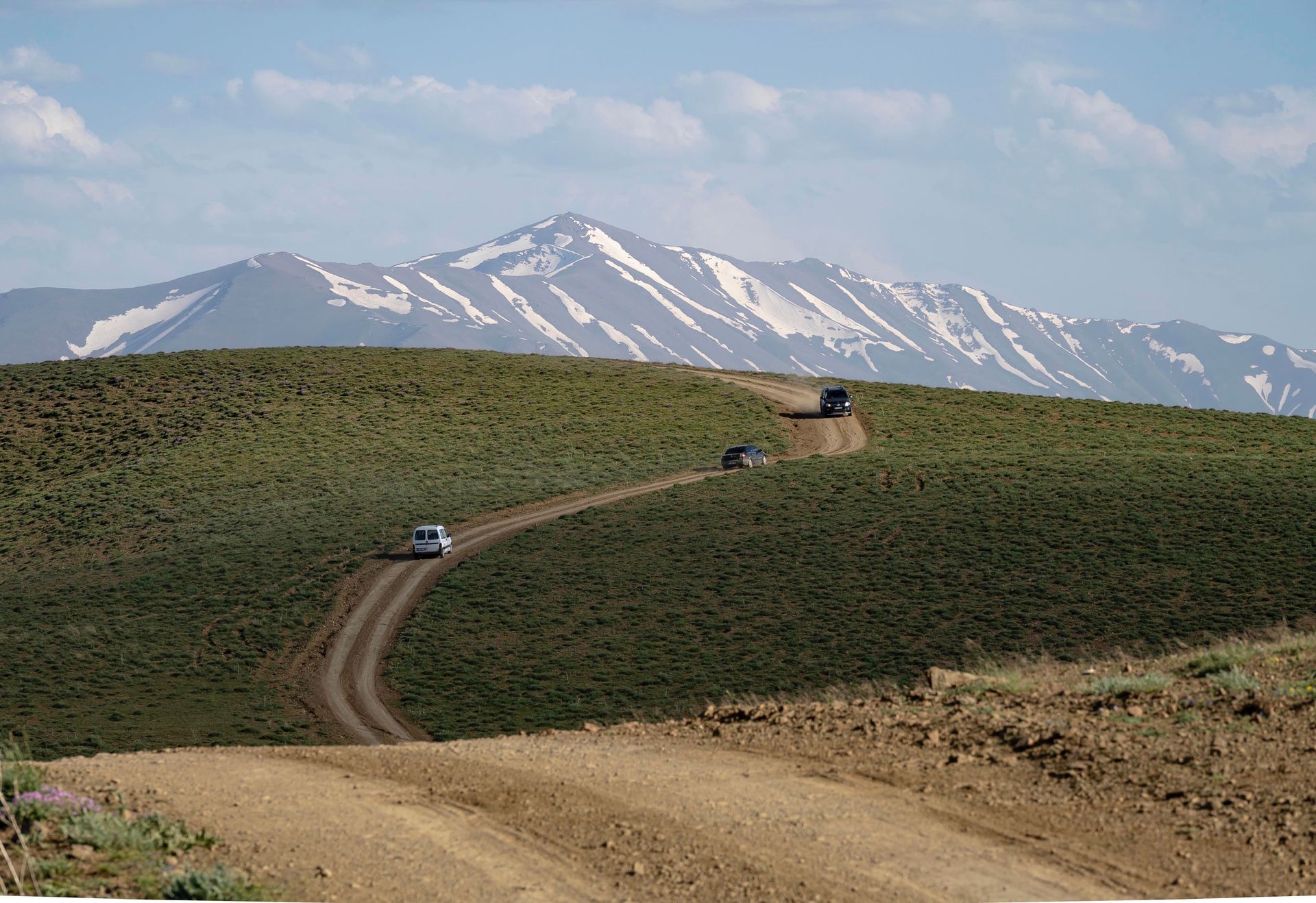
A road trip is an exciting way to explore new destinations, but it also puts extra demands on your vehicle. Long hours of driving, changing elevations, and fully loaded cargo can all place additional stress on your transmission. Having your transmission professionally inspected and serviced before you hit the road can help prevent breakdowns and give you greater confidence behind the wheel. At North Seattle Transmission, we provide expert transmission service in the greater Seattle area. Here are four important benefits of scheduling transmission service before your next adventure. Reduce the Risk of Breakdowns It’s no one’s idea of a good time to be stranded far from home with transmission trouble. During professional transmission service, technicians can inspect the system for leaks, worn components, and other signs of developing problems. Identifying and repairing minor issues before your trip can help prevent a small concern from becoming a major mechanical failure hundreds of miles from home. Ensure Proper Transmission Fluid Condition Transmission fluid is essential for lubricating moving parts, reducing friction, and controlling operating temperatures. Over time, the fluid can become contaminated or lose its effectiveness. Before a road trip, your mechanic can check the fluid level and condition, replace old fluid if necessary, and ensure your transmission has the protection it needs for extended highway driving and varying road conditions. Improve Shifting Performance A properly maintained transmission delivers smooth, consistent gear changes that improve both comfort and performance. If you've noticed delayed shifting, rough gear changes, or hesitation, a professional inspection can identify the underlying cause before those symptoms worsen during your trip. Help Prevent Overheating Long-distance driving, mountain roads, towing, and carrying lots of cargo can increase transmission temperatures. Excessive heat is one of the leading causes of transmission issues. During a service appointment, technicians can inspect the transmission cooler, cooler lines, and fluid condition to ensure the system is prepared to manage operating temperatures throughout your journey. Transmission Service in North Seattle For expert transmission service in Shoreline, WA and the surrounding area, contact North Seattle Transmission at (206) 364-3131. Feel free to give us a call to schedule an appointment!
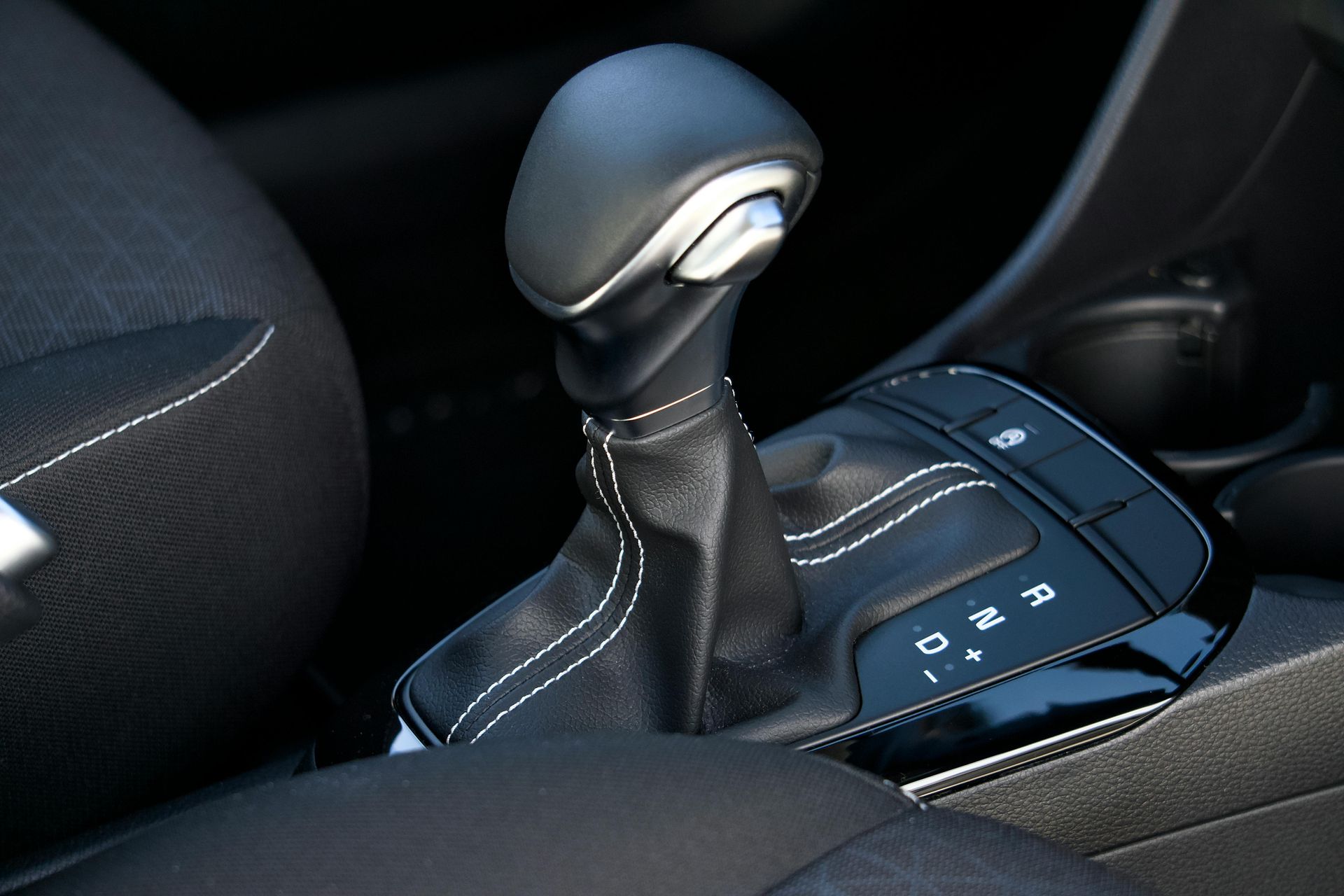
Your vehicle's automatic transmission is responsible for smoothly transferring power from the engine to the wheels. When the transmission begins to develop problems, performance can suffer quickly, and ignoring the warning signs may lead to more expensive repairs or even complete transmission failure. Recognizing the symptoms early can help you address issues before they become more serious. At North Seattle Transmission, we provide expert automatic transmission repair in the greater Seattle area. Here are five common signs of an automatic transmission problem. Slipping Gears Transmission slipping occurs when the vehicle unexpectedly changes gears or struggles to stay in the correct gear while driving. You may notice sudden increases in engine RPM without a corresponding increase in speed. Gear slipping can reduce vehicle control and often indicates internal wear or hydraulic problems within the transmission. Delayed Shifting A healthy automatic transmission should shift smoothly and promptly between gears. If you notice a delay when shifting from park to drive or if there’s hesitation while accelerating, it could indicate problems with transmission fluid, internal components, or electronic controls. Delayed shifting is often an early warning sign of transmission trouble. Unusual Noises Automatic transmissions are designed to operate quietly. If you hear whining, humming, grinding, or clunking sounds, there could be a serious problem with internal transmission components. Unusual noises should be inspected promptly to prevent further damage. Transmission Fluid Leaks Transmission fluid is essential for lubrication, cooling, and hydraulic operation. If you notice red or reddish-brown fluid underneath your vehicle, a transmission leak may be present. Low fluid levels can lead to overheating, poor shifting performance, and accelerated wear. Addressing leaks quickly can help prevent major repairs. Burning Smell A burning odor can indicate overheated transmission fluid. Because healthy transmission fluid is so crucial to your transmission’s well-being, any fluid-related issues should be brought to the mechanic’s attention right away. AutomaticTransmission Repair in North Seattle For expert transmission repair in Shoreline, WA and the surrounding area, contact North Seattle Transmission at (206) 364-3131. Feel free to give us a call to schedule an appointment!
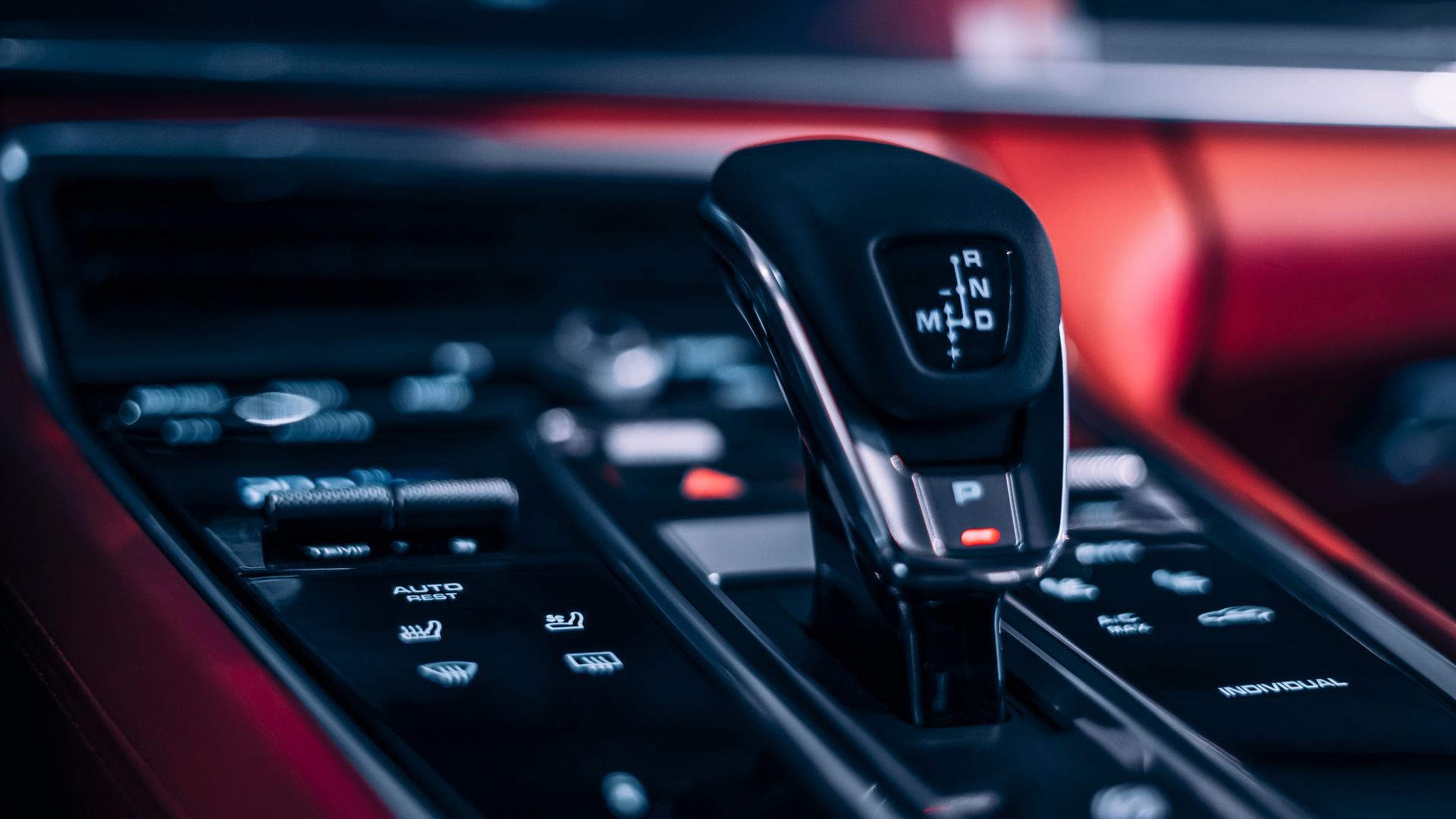
Transmission fluid plays a critical role in keeping your transmission lubricated, cool, and functioning properly. Without enough fluid, the transmission can overheat, shift poorly, and suffer serious internal damage. Catching a leak early can help prevent more expensive repairs and extend the lifespan of your transmission. At North Seattle Transmission, we provide expert transmission fluid leak repair in the greater Seattle area. Here are four common warning signs that your vehicle may have a transmission fluid leak. Puddles/Spots Under the Vehicle One of the clearest signs of a transmission fluid leak is finding puddles or spots underneath your car after it has been parked. Transmission fluid is typically red or reddish-brown. If the leak is fresh, the fluid may appear bright red, while older fluid may look darker. Checking under your car regularly can help you catch leaks before they lead to low fluid levels and transmission damage. Difficulty Shifting Gears Low transmission fluid caused by a leak can make it harder for the transmission to shift smoothly between gears. Drivers may notice hesitation, delayed shifting, slipping gears, or rough transitions while accelerating or slowing down. Since transmission fluid provides the hydraulic pressure needed for proper operation, even a moderate leak can significantly affect performance. Burning Smells While Driving A transmission that lacks sufficient fluid may begin to overheat due to increased friction between internal components. When this happens, drivers may notice a burning odor coming from the vehicle. Overheated transmission fluid can lose its protective properties and place additional stress on the system. Ignoring this warning sign may result in severe transmission damage over time. If you smell something burning while driving, it’s important to have it inspected promptly. Unusual Noises Transmission fluid helps lubricate moving parts and reduce friction inside the transmission system. When fluid levels drop because of a leak, internal components may begin making whining, humming, grinding, or clunking noises. Unusual transmission noises should never be ignored because they can indicate that important parts are no longer receiving adequate lubrication and protection. Transmission Repair in North Seattle For expert transmission repair in Shoreline, WA and the surrounding area, contact North Seattle Transmission at 206-364-3131. Feel free to give us a call to schedule an appointment!

When transmission problems develop, they often worsen quickly and can lead to more expensive repairs if ignored. Fortunately, transmission issues often provide warning signs that the average driver can notice. Recognizing early signs and getting prompt professional attention can help prevent major damage. At North Seattle Transmission, we provide expert transmission repair in the greater Shoreline area. Here are four common transmission problems that should be addressed by a mechanic as soon as possible. Delayed or Slipping Gear Shifts If your vehicle hesitates before shifting gears or feels like it is slipping between them, this is a serious warning sign. Slipping gears can make your car feel underpowered or unresponsive and may indicate low transmission fluid, worn components, or internal damage. This issue should be diagnosed immediately to prevent further deterioration. Transmission Fluid Leaks Transmission fluid leaks are one of the most common and urgent problems. Fluid is essential for lubrication and cooling, and low levels can quickly lead to overheating and internal wear. If you notice reddish fluid under your vehicle, it’s important to have it inspected right away. Even small leaks can lead to serious transmission issues if left unaddressed. Burning Smell While Driving A burning odor coming from your vehicle can signal overheated transmission fluid. This often occurs when fluid levels are low. Overheating reduces the fluid’s ability to protect internal components, increasing friction and wear. Ignoring this warning sign can lead to severe transmission damage. Unusual Noises from the Transmission Grinding, whining, and clunking sounds often indicate internal transmission issues. These noises may be caused by worn gears, insufficient lubrication, or other problems. Addressing unusual sounds early can help prevent more extensive repairs. Transmission Repair in North Seattle For expert transmission repair in Shoreline, WA and the surrounding area, contact North Seattle Transmission at 206-364-3131. At our local transmission shop, we’ll make sure that your vehicle is able to shift smoothly. Feel free to give us a call to schedule an appointment for transmission services in greater Seattle!

Your vehicle’s automatic transmission is responsible for smoothly transferring power from the engine to the wheels and adjusting gears as you accelerate or slow down. Because the transmission is made up of many complex and precisely engineered components, proper maintenance is essential for keeping it working reliably. When a transmission is neglected, it can develop performance issues or even fail completely. Fortunately, a few simple habits can go a long way in protecting your transmission and extending its lifespan. Here are four tips for keeping your automatic transmission in optimal condition. Stay Consistent With Transmission Fluid Changes Transmission fluid plays a vital role in lubricating internal components, reducing friction, and helping control heat within the system. Over time, the fluid can break down and become contaminated with debris, which reduces its ability to protect the transmission. Regular transmission fluid changes help keep the system clean and properly lubricated. Following your vehicle manufacturer’s recommended service intervals can significantly reduce wear on internal components and help maintain smooth shifting. Always Come to a Full Stop Before Shifting A common mistake that can damage automatic transmissions is shifting between drive and reverse while the vehicle is still moving. Even slight motion places extra stress on the transmission’s internal gears and components. Always bringing the vehicle to a complete stop before shifting allows the transmission to engage properly and prevents unnecessary strain. This simple driving habit can make a big difference in the long-term health of your transmission. Avoid Overloading Your Vehicle Excessive weight can put significant strain on a vehicle’s transmission. Carrying heavy loads or towing beyond your vehicle’s recommended capacity forces the transmission to work harder to move the extra weight. This increased stress can lead to overheating and accelerated wear of internal components. Staying within your vehicle’s weight limits and using proper towing equipment can help protect the transmission from damage. Watch for Early Warning Signs of Trouble Paying attention to early warning signs of transmission trouble can help prevent larger problems from developing. Symptoms such as delayed shifting, slipping gears, unusual noises, or fluid leaks indicate a developing issue. If you notice changes in the way your vehicle shifts, it’s best to have it inspected by a technician. Addressing small problems early often prevents more extensive and expensive repairs. Transmission Service in North Seattle For expert transmission service in Shoreline, WA and the surrounding area, contact North Seattle Transmission at 206-364-3131. Feel free to give us a call to make an appointment!

Your vehicle’s automatic transmission is responsible for shifting gears smoothly and efficiently as you drive. Automatic systems rely on hydraulic pressure, electronic sensors, and complex internal components to operate. When something goes wrong, you may notice performance issues that affect both drivability and safety. Because transmission repairs can be complex, many drivers have questions about warning signs, repair costs, and maintenance. At North Seattle Transmission, we’re happy to answer your questions about automatic transmission repair in the greater Seattle area. What Are the Common Warning Signs of Automatic Transmission Problems? There are several common symptoms that indicate your automatic transmission may need repair. Slipping gears, delayed shifting, rough or jerky gear changes, and unusual noises such as grinding or whining are red flags. You may also notice fluid leaks under your vehicle, typically reddish in color. In some cases, a warning light will illuminate. Addressing these warning signs early can help prevent more serious and costly damage. What Causes Automatic Transmission Failure? Transmission problems can develop due to a variety of factors. Low or contaminated transmission fluid is one of the more common causes, as fluid is essential for lubrication, cooling, and hydraulic pressure. Damaged seals, faulty solenoids, and overheating can also lead to significant issues. In some cases, neglecting routine maintenance or continuing to drive with minor issues can cause internal components to wear out prematurely. How Is Automatic Transmission Repair Performed? The repair process typically begins with a diagnostic evaluation. Technicians use specialized tools to scan for error codes and test transmission performance. Depending on the issue, repairs may involve replacing seals or gaskets, replacing solenoids, or performing a complete transmission rebuild. In severe cases, full transmission replacement may be recommended. After repairs are completed, the system is tested to ensure smooth and reliable shifting. How Can I Prevent Transmission Problems? Preventive maintenance is key to extending the life of your automatic transmission. Regularly checking and changing transmission fluid according to your manufacturer’s recommendations helps maintain proper lubrication and cooling. Avoiding aggressive driving, never towing beyond capacity, and taking action when you notice early warning signs can also reduce wear and tear. Scheduling routine inspections helps ensure potential issues are caught before they escalate. Where Can I Get Automatic Transmission Repair in North Seattle? For expert automatic transmission repair in Shoreline, WA and the surrounding area, contact North Seattle Transmission at 206-364-3131. Feel free to give us a call to schedule an appointment!

Transmission fluid plays a critical role in keeping your vehicle running smoothly by lubricating internal components, regulating temperature, and enabling proper gear engagement. When a transmission fluid leak occurs, it can quickly lead to performance problems and costly damage if left unaddressed. Because these leaks are a common concern for drivers, many people have similar questions about what they mean and how they are repaired. At North Seattle Transmission, we can answer any of your questions about transmission fluid leak repair in the greater Seattle area. How Can I Tell If My Transmission Is Leaking Fluid? One of the most common signs of a transmission fluid leak is finding a red to brownish puddle under your vehicle. You may also notice a burning smell, delayed shifting, or slipping gears. Low fluid levels can cause the transmission to overheat, which may trigger warning lights or unusual noises. If your vehicle does not shift as smoothly as it once did, a fluid leak could be the cause. What Causes Transmission Fluid Leaks? Transmission fluid leaks can develop for several reasons. Worn seals and gaskets are a frequent culprit, especially as a vehicle ages. Cracked fluid lines or a damaged transmission pan can also allow fluid to escape. Regular inspections help catch these issues early. Is It Safe to Drive With a Transmission Fluid Leak? Driving with a transmission fluid leak is risky and not recommended. Low fluid levels reduce lubrication and cooling, which can cause internal components to wear prematurely. Continued driving may result in erratic shifting or complete transmission failure. Even a small leak can worsen quickly, making early repair essential to avoid extensive damage. How Is a Transmission Fluid Leak Repaired? Repairing a transmission fluid leak begins with a thorough inspection to identify the source. Technicians can check seals, lines, and the pan for damage. Repairs can range from replacing a gasket to installing new seals or fluid lines. Can Transmission Fluid Leaks Be Prevented? While not all leaks are preventable, routine maintenance greatly reduces the risk. Regular fluid checks and scheduled transmission service help ensure components remain in good condition. Addressing minor seepage early prevents it from turning into a major leak. Where Can I Get Expert Transmission Fluid Leak Repair in North Seattle? For expert transmission fluid leak repair in Shoreline, WA and the surrounding area, contact North Seattle Transmission at 206-364-3131. Feel free to give us a call to schedule an appointment!